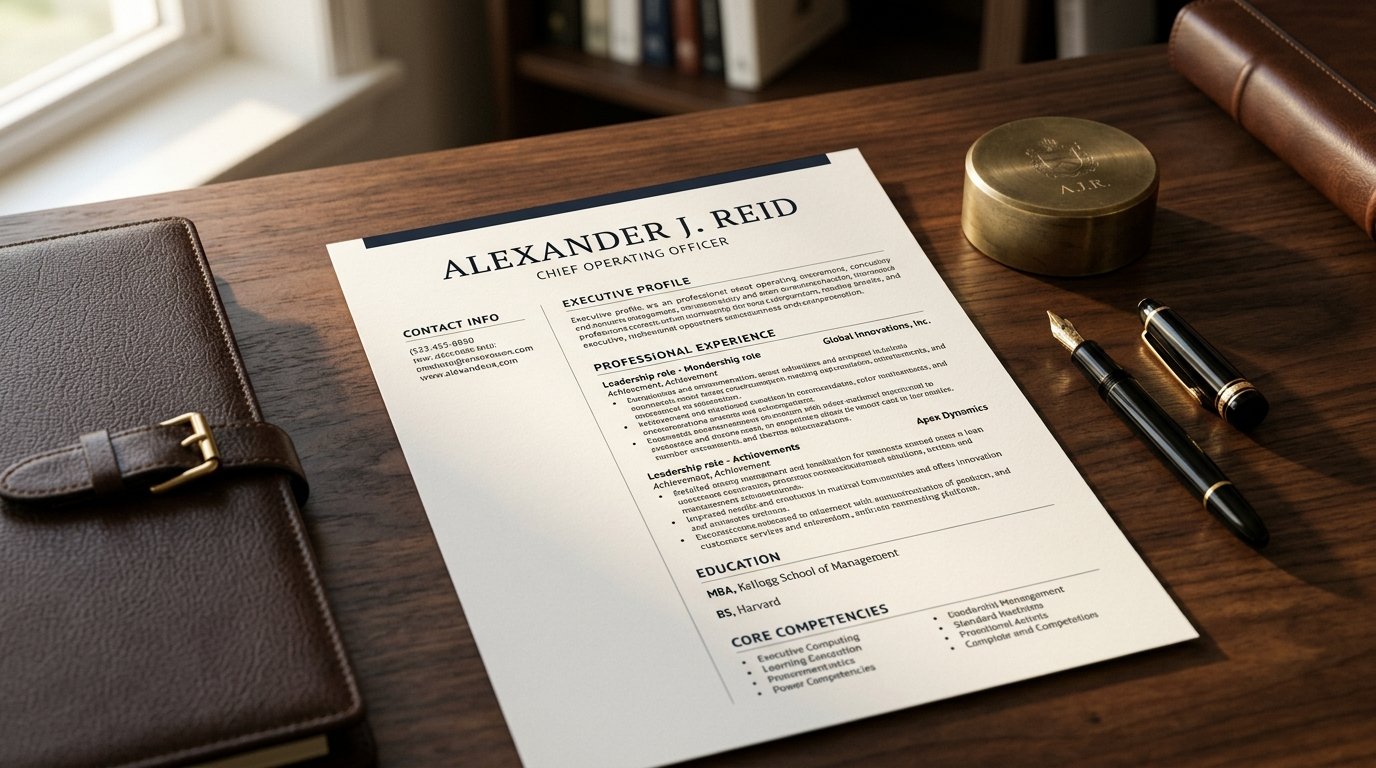
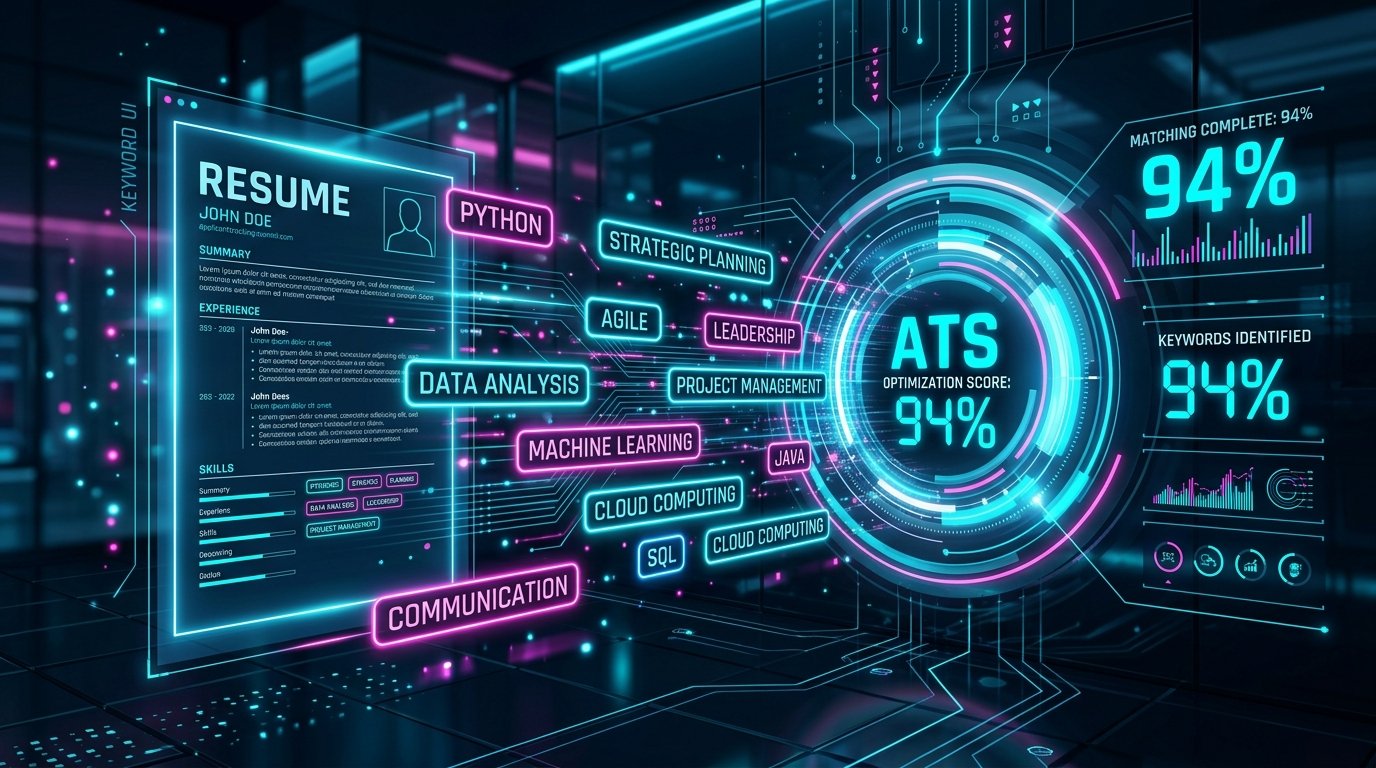
In 2026, the traditional keyword-stuffing techniques of applicant tracking systems (ATS) are officially dead. Modern hiring stacks have evolved into semantic and contextual neural parsers capable of understanding achievement depth, leadership scope, and industry impact.
1. The Shift to Semantic Matching
Unlike first-generation parsers that looked for verbatim string matches, modern AI engines evaluate context. If a job description asks for "cross-functional stakeholder management", a resume demonstrating "collaborated with engineering, design, and product leads to ship quarterly deliverables" receives a top-tier relevancy score.
2. Core Structural Checkpoints
- Chronological Clarity: Clean date hierarchies and standardized section headings (Experience, Skills, Education).
- Metric-Driven Bullet Points: Every bullet should combine an action verb, a quantified metric, and the business impact.
- No Parse Blockers: Avoid multi-column text frames, images for text, and complex table hierarchies that break screen readers and ATS parsers.
Use TrueCV's free ATS scanner to benchmark your resume against real employer parsing models before applying.